Do Capacitors Fail With Age? Types, Causes & Signs
Do capacitors fail with age? Yes. Electrolytics dry out in 10-20 years while ceramic and film types barely age. Here is what fails, why, and how to spot it.

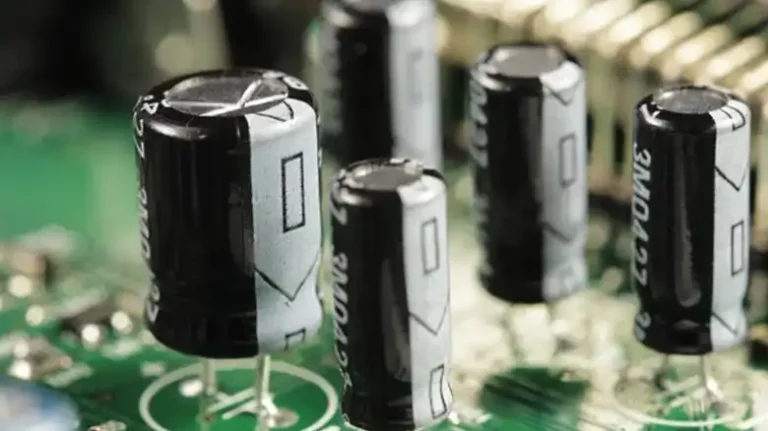
Do capacitors fail with age? Yes. Electrolytics dry out in 10-20 years while ceramic and film types barely age. Here is what fails, why, and how to spot it.
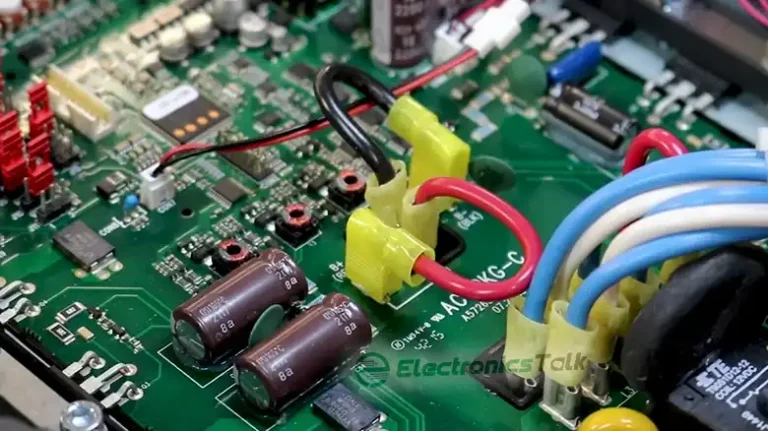
The shelf life of capacitors runs from 2 years for electrolytics to decades for ceramics. Here is how storage, heat, and humidity change that number.
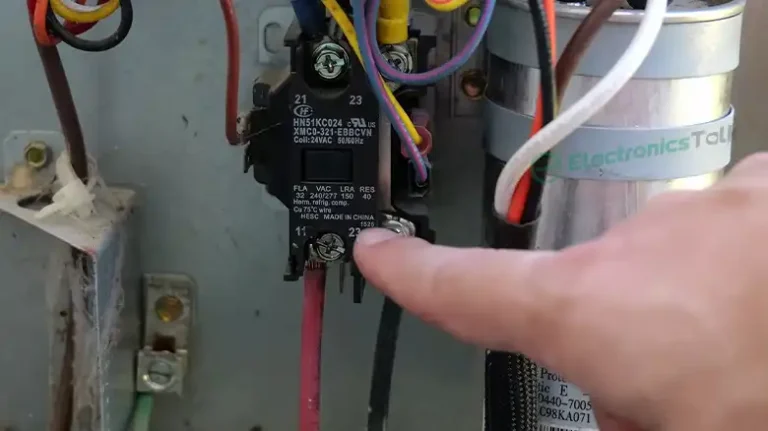
Can I replace a 40 5 capacitor with a 45 5? Usually yes as a quick fix, but the 12.5% jump on the compressor side runs hotter. Here is when it is safe.
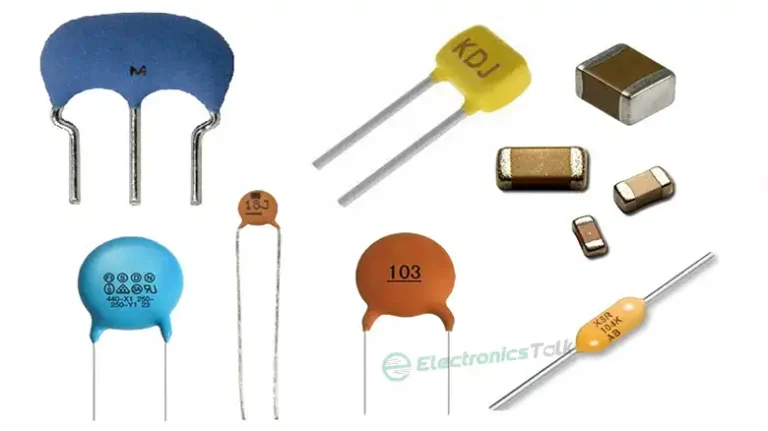
Does size matter in capacitor choice? Size tracks capacitance, voltage, and dielectric. Learn how to size a capacitor to your circuit and when bigger is fine.
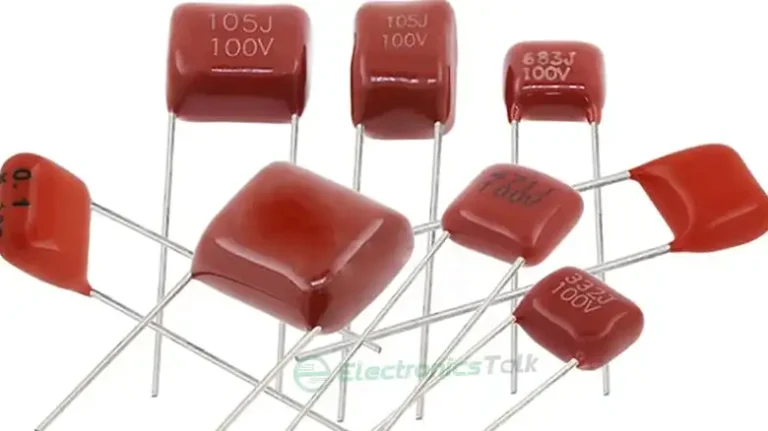
Does capacitance tolerance matter? Often yes, sometimes no. Learn when a capacitor’s tolerance changes your circuit and when you can safely ignore it.
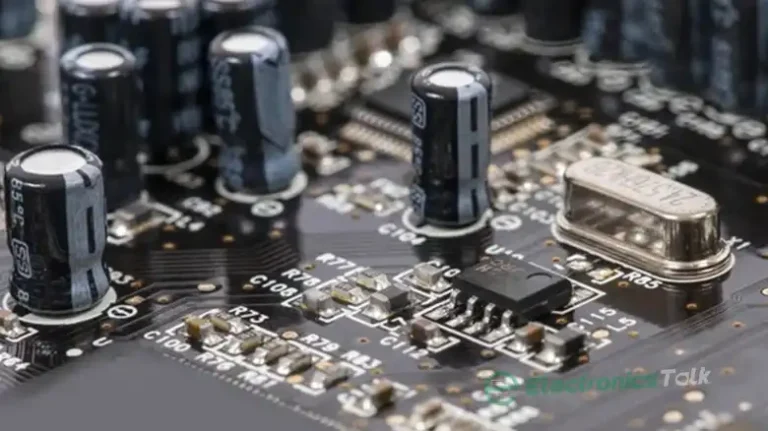
Do capacitors expire? Yes. Shelf life runs from about 2 years for electrolytics up to 30 for film. Learn what ages a capacitor and how to spot a dead one.
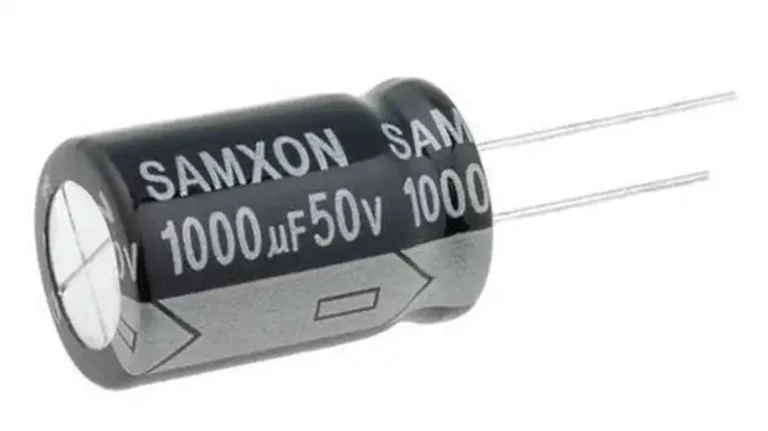
Can I use a 50V capacitor instead of a 25V? Yes, if the µF matches, and it adds safety margin. The only real catch is physical size. Full guide with FAQ.
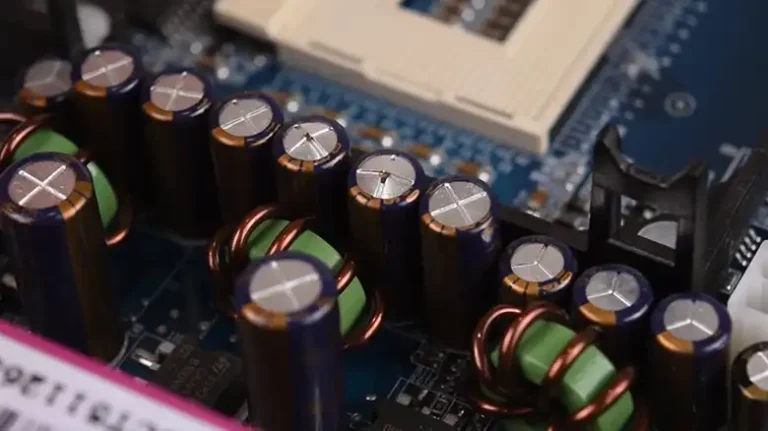
Can I replace electrolytic capacitor with polymer? Usually yes, if you match the capacitance, meet the voltage rating, and mind polarity and surge current.
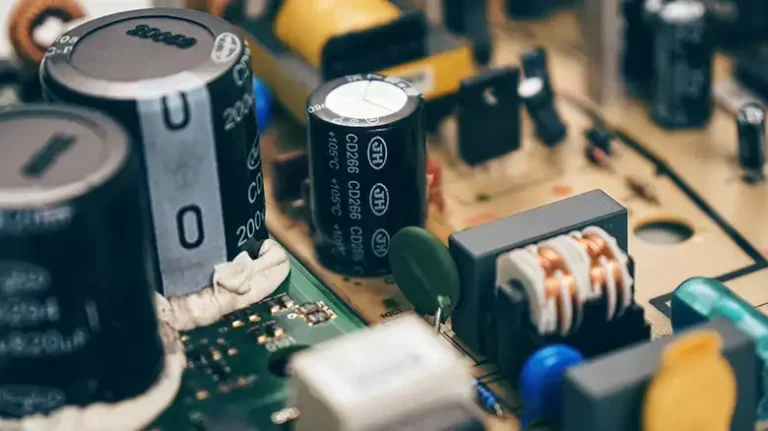
Do capacitors degrade if not used? Yes, aluminum electrolytics dry out in about 2 years, but ceramic and film caps last for decades. Storage tips inside.
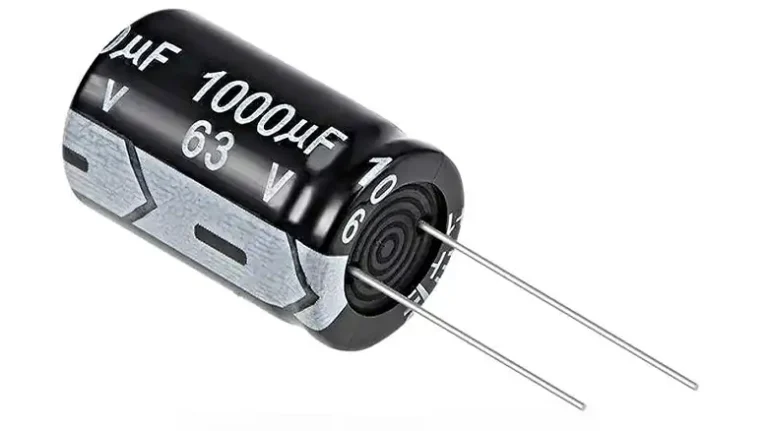
Can I use a 63V capacitor instead of 25V? Yes, a higher voltage rating is safe as long as the capacitance value matches and the bigger part fits.