
Your Trusted Guide to Understanding Electronics, Circuits & Components
ElectronicsTalk.org is an educational resource dedicated to explaining complex electronic concepts in simple terms. From capacitors and conductive materials to oscilloscopes and circuit design, we provide clear, well-researched answers to common engineering questions. Whether you’re an electronics student, hobbyist, or professional, our goal is to help you understand how electronic components work, their lifespan, and real-world applications.
Capacitor
Learn everything about capacitors – how they work, their lifespan, tolerance, and real-world performance. Get clear answers to common capacitor-related questions.
-
Do Capacitors Fail With Age? Types, Causes & Signs
Do capacitors fail with age? Yes. Electrolytics dry out in 10-20 years while ceramic and film types barely age. Here is what fails, why, and how to spot it.
-
What Is the Shelf Life of Capacitors? A Clear Answer
The shelf life of capacitors runs from 2 years for electrolytics to decades for ceramics. Here is how storage, heat, and humidity change that number.
-
Can I Replace a 40 5 Capacitor With a 45 5 Safely?
Can I replace a 40 5 capacitor with a 45 5? Usually yes as a quick fix, but the 12.5% jump on the compressor side runs hotter. Here is when it is safe.
-
Does Size Matter in Capacitor Choice? A Practical Guide
Does size matter in capacitor choice? Size tracks capacitance, voltage, and dielectric. Learn how to size a capacitor to your circuit and when bigger is fine.
-
Does Capacitance Tolerance Matter? A Practical Guide
Does capacitance tolerance matter? Often yes, sometimes no. Learn when a capacitor’s tolerance changes your circuit and when you can safely ignore it.
-
Do Capacitors Expire? Shelf Life and Aging Explained
Do capacitors expire? Yes. Shelf life runs from about 2 years for electrolytics up to 30 for film. Learn what ages a capacitor and how to spot a dead one.
-
Can I Use a 50V Capacitor Instead of a 25V?
Can I use a 50V capacitor instead of a 25V? Yes, if the µF matches, and it adds safety margin. The only real catch is physical size. Full guide with FAQ.
-
Can I Replace Electrolytic Capacitor With Polymer?
Can I replace electrolytic capacitor with polymer? Usually yes, if you match the capacitance, meet the voltage rating, and mind polarity and surge current.
-
Do Capacitors Degrade if Not Used? Shelf Life Guide
Do capacitors degrade if not used? Yes, aluminum electrolytics dry out in about 2 years, but ceramic and film caps last for decades. Storage tips inside.
-
Can I Use a 63V Capacitor Instead of 25V? Bench Guide
Can I use a 63V capacitor instead of 25V? Yes, a higher voltage rating is safe as long as the capacitance value matches and the bigger part fits.
-
Will Capacitor Drain My Battery? Facts Explained
Will capacitor drain my battery? No, not in normal use. A charged capacitor blocks DC and leaks only microamps. Here is when it actually pulls current.
-
Can I Replace a 16V Capacitor With a 25V Capacitor?
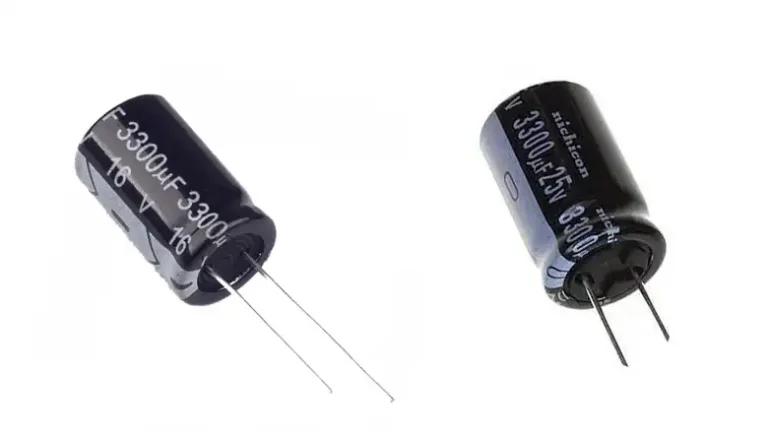
Yes, you can replace a 16V capacitor with a 25V one as long as the µF matches. Higher voltage is safe headroom. Here is when it works and the one thing to check.
Conductive
Understand conductivity, wiring, and circuit flow with practical explanations. Learn about voltage conversions, wire sizes, and safe electrical connections.
-
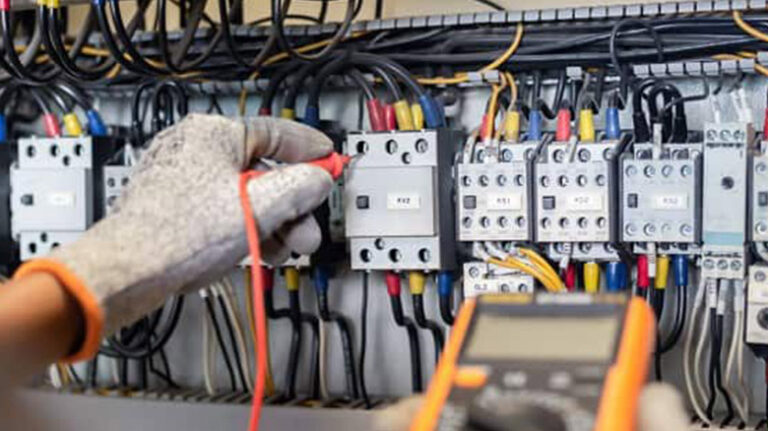
How Do You Convert 240V AC to 240V DC (Step Guide)
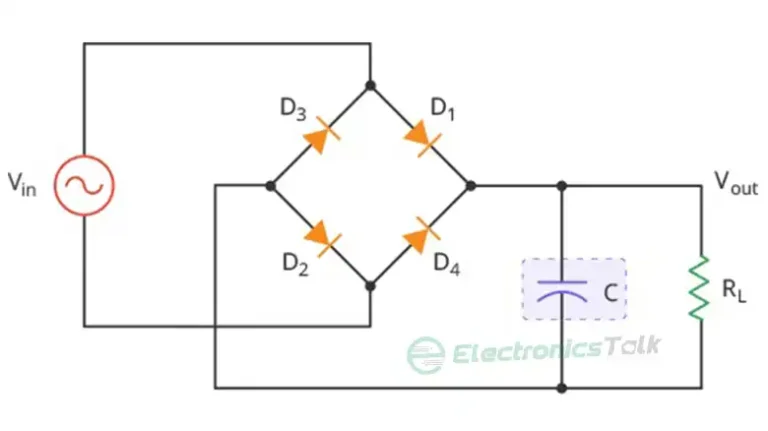
How do you convert 240V AC to 240V DC? Rectify the mains with diodes, smooth the pulses with a capacitor, then regulate the 339V peak down to a steady 240V DC.
-
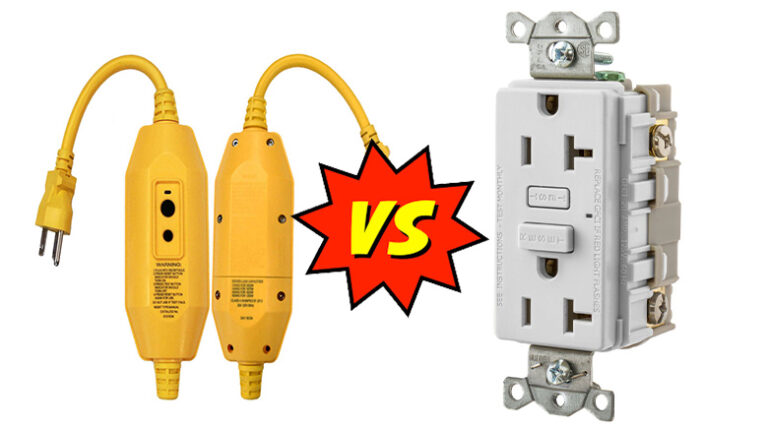
Line vs Load GFCI: How to Tell the Terminals Apart
Line vs load GFCI wiring trips people up: line terminals bring power in from the breaker, load terminals send it downstream. Here is the plain difference.
-
What Size Wire for 80 Amp Breaker: Copper and Aluminum
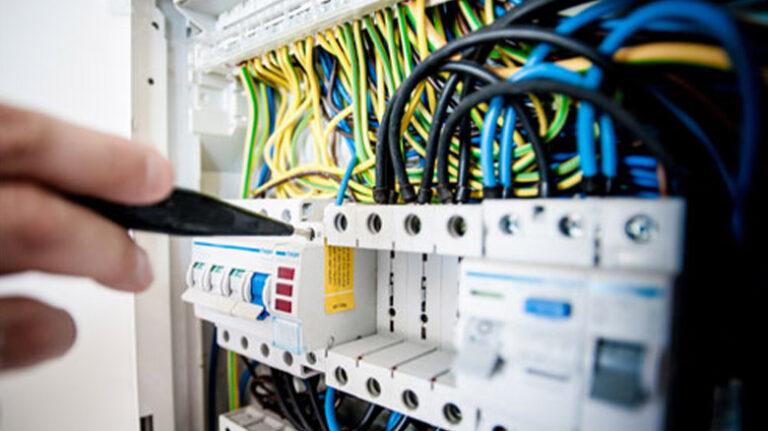
What size wire for 80 amp breaker? Use 4 AWG copper or 2 AWG aluminum at 75C, and size up for long runs or continuous loads. Full chart inside.
-
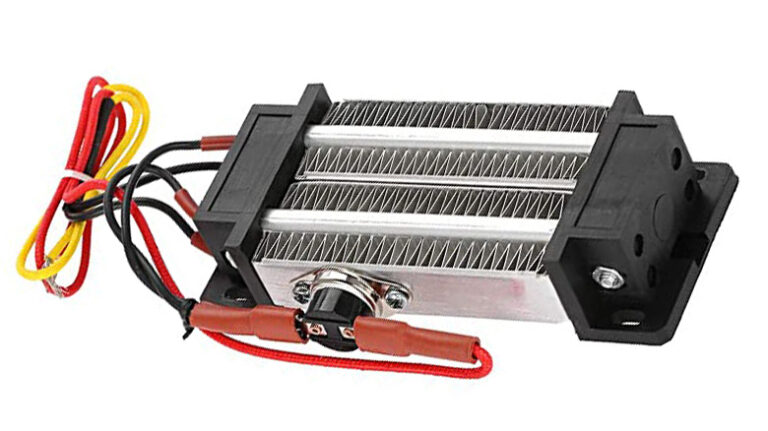
Can I Wire a 220V Heater to a 110V? Safety and Output
Can I wire a 220V heater to a 110V? Yes, but a resistive heater drops to a quarter of its heat, and motor-driven units should stay on 220V. Here is the rule.
-
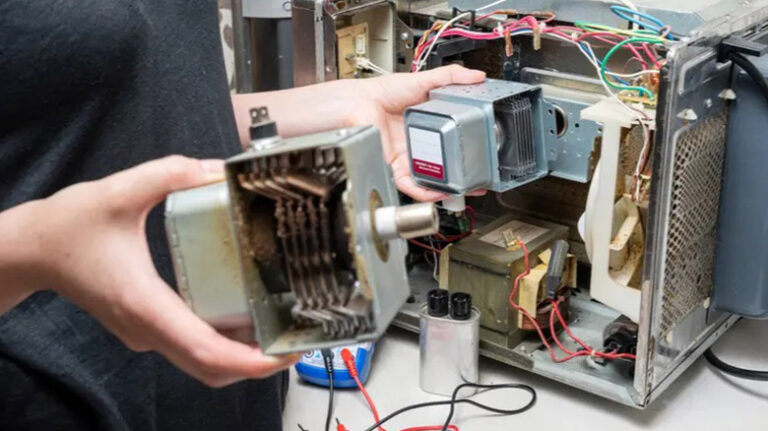
How Long Does It Take for a Microwave Capacitor to Discharge?
How long does it take for a microwave capacitor to discharge? Usually 30 to 60 seconds through the bleeder resistor, but treat it as live and short it.
-
What Size Wire for 15 Amp Breaker? A Clear Answer
What size wire for 15 amp breaker? Use 14-gauge copper. Here is the chart, the 80 percent load rule, and how to size it safely.
Oscilloscope
Discover how oscilloscopes work, how to read waveforms, and measure signals accurately. Simplified guides to mastering this essential electronic tool.
-
How to Calculate Frequency From Oscilloscope Readings
How to calculate frequency from oscilloscope: measure the period of one cycle, then use F = 1/T. Worked example, graticule method, and bench tips.
-
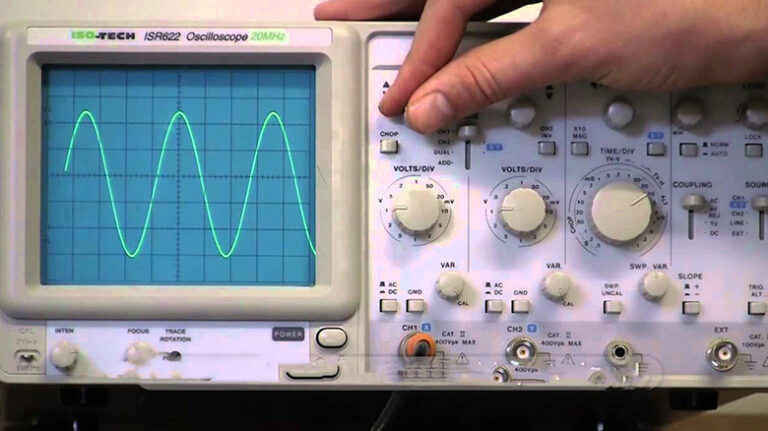
How Does an Oscilloscope Work? A Plain Explanation
How does an oscilloscope work? It plots voltage against time on a grid so you see a signal’s real shape. Here is the mechanism, analog vs digital, and setup.

Top Picks
- 5 Best H7 LED Bulb Picks for Brilliant Night DrivingFinding the perfect H7 LED bulb can feel like navigating a dark tunnel without a map, but the right choice transforms night driving into a crystal‑clear experience, boosting safety, reducing…
- MOSFET Switching Guide: How They Work in CircuitsHow MOSFETs Work in Switching Circuits – A Complete Guide Introduction If you’ve ever wondered how your phone charger, LED driver, or electric‑vehicle motor controller can turn electricity on and…
- Avoid These 10 Common Soldering Mistakes (Pro Tips)Introduction Whether you’re a seasoned electronics hobbyist, a student building a prototype, or a professional technician repairing a motherboard, soldering is the invisible glue that holds modern gadgets together. Yet,…
- Relay vs Transistor: Which Wins in Modern Circuits?Intro – When a Switch Becomes the Bottleneck You’re laying out a control board for a 12 V, 8 A pump that must start and stop on command from a microcontroller. The…
- Why Capacitors Power Almost Every Circuit – ExplainedThe hidden role of capacitors in everyday circuits When you power up a microcontroller board and the LED flickers before settling at a steady brightness, a tiny component is silently…
- Fuse vs MCB vs Circuit Breaker: Key Differences ExplainedWho actually needs to pick among fuses, MCBs, and circuit breakers You’re on a design team that must protect a 230 V, 16 A lighting circuit in a commercial office. The specification…
- Relay vs Transistor: Which Is Best for Your Circuit?Relay vs Transistor: Choosing the Right Switch You’re designing a 120 V motor controller that must toggle under 5 ms and survive occasional overloads. The load draws 8 A in normal operation, but…
- Essential Electronic Components Every Maker NeedsCommon Electronic Components: The Building Blocks Every Engineer Must Master Designing a compact sensor node for an industrial IoT gateway, you quickly discover that the board you’re drafting is a…
- Best Soldering Iron for Electronics: 4 Top Picks TestedThe best soldering iron for electronics is a 60-70W temperature-controlled station. See my picks: Hakko FX-888D, Weller WE1010NA, Pinecil V2, WLC100.
Get in touch
Don’t Hesitate To Contact Us For Any Information.